
In today’s cloud-first world, building a secure, high-performing, resilient, and efficient infrastructure is more critical than ever. That’s where the AWS Well-Architected Framework comes in a powerful guide designed to help architects and developers make informed decisions and build better cloud-native solutions.
What is the AWS Well-Architected Framework?
The AWS Well-Architected Framework provides a consistent approach for evaluating and improving your cloud architecture. It’s built around six core pillars that represent key areas of focus for building robust and scalable systems:
- Operational Excellence – Continuously monitor and improve systems and processes.
- Security – Protect data, systems, and assets through risk assessments and mitigation strategies.
- Reliability – Ensure workloads perform as intended and recover quickly from failures.
- Performance Efficiency – Use resources efficiently and adapt to changing requirements.
- Cost Optimization – Avoid unnecessary costs and maximize value.
- Sustainability – Minimize environmental impact by optimizing resource usage and energy consumption
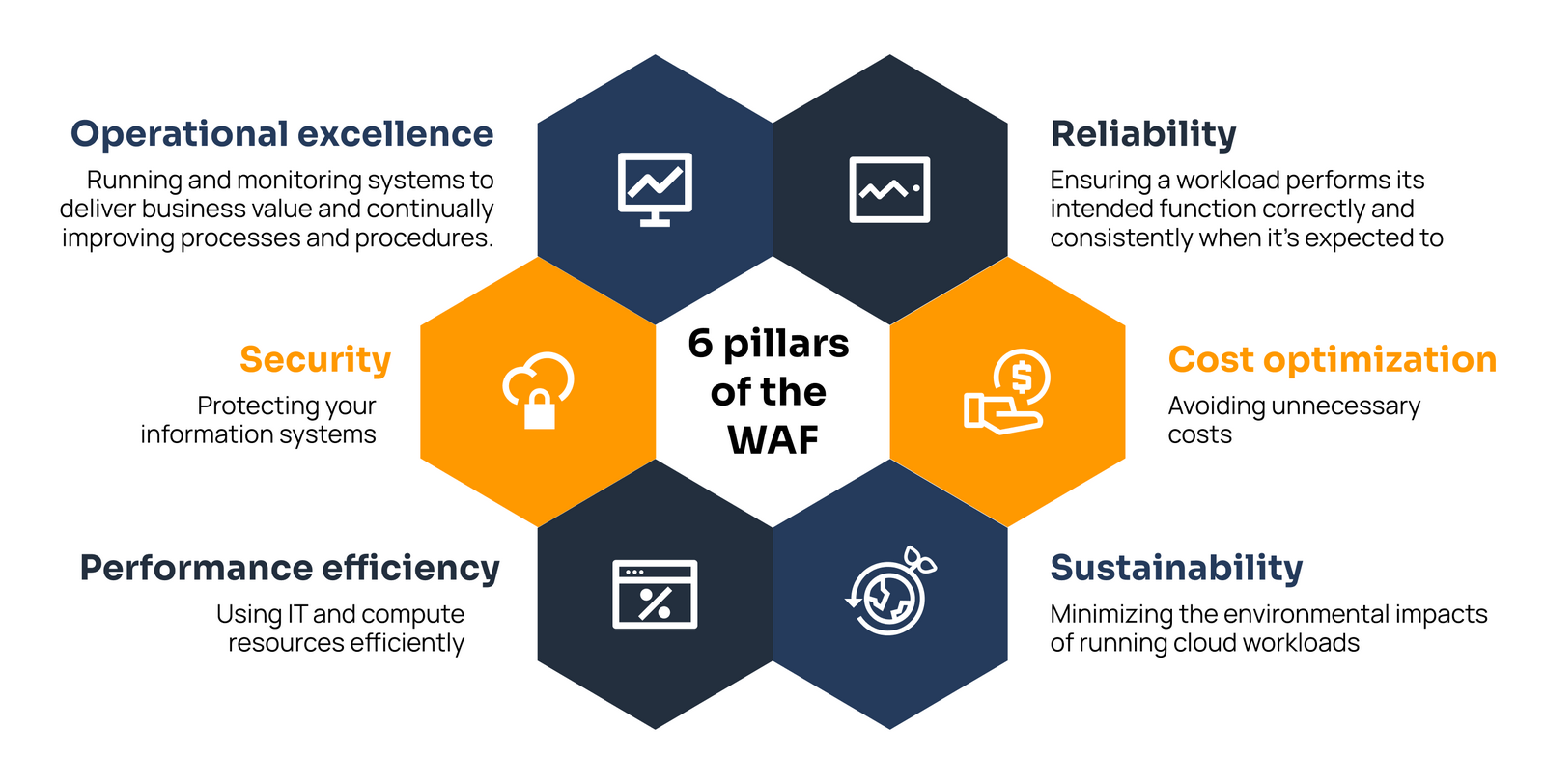
Explore the AWS Well-Architected Framework here https://aws.amazon.com/architecture/well-architected
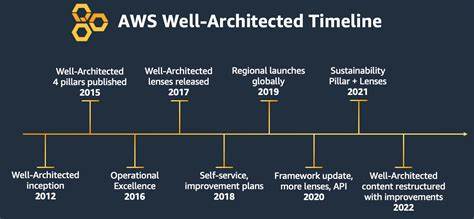
AWS Well -Architected Timeline
Time to time, AWS made some changes in the framework and introduce new resources which we can follow to utilize them better for our use cases and get better architecture.
AWS Well-Architected Tool
To help you apply these principles, AWS offers the Well-Architected Tool—a free service that guides you through evaluating your workloads against the six pillars.
How it Works:
- Select a workload.
- Answer a series of questions aligned with the framework.
- Review insights and recommendations.
- Generate reports and track improvements over time.
Try the AWS Well-Architected Tool here https://aws.amazon.com/well-architected-tool/
Go Deeper with Labs and Lenses
AWS also Provides:
- Hands-on labs and workshops via Well-Architected Labs
- Custom Lenses tailored to specific domains like ML, IoT, SAP, and more.
- Guidance for specific use cases and technologies.
Deep Dive: Cost Optimization Pillar
Cost Optimization is not just about cutting costs—it’s about maximizing value. It ensures that your cloud investments align with business goals and scale efficiently.
Why It Matters:
- Understand your spending patterns.
- Ensure costs support growth, not hinder it.
- Maintain control as usage scales.
5 Best Practices for Cost Optimization
- Practice Cloud Financial Management
- Build a cost optimization team.
- Foster collaboration between finance and tech teams.
- Use budgets and forecasts.
- Promote cost-aware processes and culture.
- Quantify business value through automation and lifecycle management.
- Expenditure and Usage Awareness
- Implement governance policies.
- Monitor usage and costs in real-time.
- Decommission unused or underutilized resources.
- Use Cost-Effective Resources
- Choose the right services and pricing models.
- Match resource types and sizes to workload needs.
- Plan for data transfer costs.
- Manage Demand and Supply
- Use auto-scaling, throttling, and buffering to avoid over-provisioning.
- Align resource supply with actual demand patterns.
- Optimize Over Time
- Regularly review new AWS features and services.
- Adopt innovations that reduce costs and improve performance.
Conclusion
The AWS Well-Architected Framework is more than a checklist—it’s a mindset. By embracing its principles, especially cost optimization, you can build cloud environments that are not only efficient and scalable but also financially sustainable.