As organizations accelerate their AI and analytics initiatives, many are discovering that success depends on more than just having access to data. It requires trusted context. While enterprises have invested heavily in modern data platforms, data governance, and cloud infrastructure, many still struggle to answer fundamental questions: What does this data mean? Where did it come from? Can it be trusted? And how should AI systems interpret it?
Snowflake Horizon Catalog is designed to help solve these challenges. By transforming metadata into an active layer of business intelligence, Horizon Catalog helps organizations improve data discovery, governance, analytics adoption, and AI readiness.
Currently in private preview, Horizon Catalog represents Snowflake’s vision for creating a unified understanding of enterprise data across people, applications, analytics tools, and AI agents.
Why Metadata Matters More Than Ever
As data ecosystems continue to grow, enterprises often face a common challenge: critical business knowledge is scattered across databases, dashboards, data pipelines, and cloud platforms.
This fragmentation creates obstacles for both human users and AI systems:
- Data teams spend excessive time answering questions about data definitions and lineage.
- Business users struggle to find trusted data assets.
- Governance teams lack complete visibility into how information moves through the organization.
- AI applications risk generating inaccurate outputs when business context is unclear.
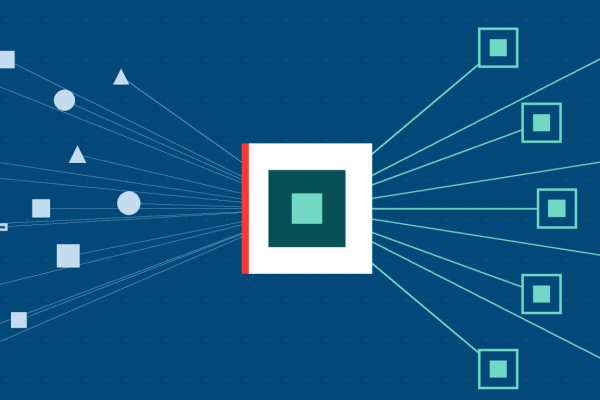
Snowflake Horizon Catalog addresses these challenges by creating a centralized intelligence layer that collects, enriches, and activates metadata across the enterprise. Rather than functioning as a passive inventory of assets, Horizon Catalog helps organizations create a living, governed representation of their data ecosystem.
Horizon Catalog’s Three-Stage Approach
At its core, Horizon Catalog follows a three-stage architecture designed to transform raw metadata into actionable business context:
Collect → Enrich → Activate
This framework enables organizations to move beyond simply documenting data and toward making it truly understandable and usable across analytics and AI workloads.
Stage 1: Collect Metadata Across the Enterprise
The first step is collecting metadata from across the modern data landscape.
Organizations today operate across numerous systems, including cloud storage platforms, SaaS applications, databases, business intelligence tools, and transformation frameworks. Without a unified approach to metadata collection, visibility becomes fragmented and governance becomes increasingly difficult.
Horizon Catalog connects to a broad ecosystem of technologies, including:
Data Lakes and Cloud Storage
- AWS S3
- Azure Data Lake Storage
- Google Cloud Storage
- Iceberg, Delta, and Parquet-based environments
Enterprise Applications
- SAP
- Salesforce
- Workday
Databases
- PostgreSQL
- SQL Server
- Oracle
- MySQL
- Amazon Redshift
Analytics and Data Integration Tools
- Tableau
- Power BI
- dbt
- Fivetran
- Sigma
By bringing metadata into a centralized framework, organizations gain a consistent view of data assets regardless of where they reside. For enterprise leaders pursuing AI initiatives, this unified visibility becomes increasingly important as data sources continue to multiply.
Stage 2: Enrich Metadata With Business and Technical Intelligence
Collecting metadata is only the beginning. To make data useful at scale, organizations need additional context that helps explain how information is structured, governed, consumed, and connected.
Horizon Catalog enriches metadata across six key dimensions:
Schema Intelligence
Schema enrichment captures structural details such as column types, relationships, and dependencies, providing foundational understanding of data assets.
Lineage Visibility
Cross-platform, column-level lineage helps teams understand how data moves from source systems through transformations and ultimately into dashboards, reports, and applications. This visibility supports governance, troubleshooting, compliance, and impact analysis efforts across the organization.
AI-Generated Descriptions
Natural language descriptions help make technical assets easier to understand for both business and technical stakeholders. This capability can significantly improve self-service adoption by reducing reliance on tribal knowledge.
Tags and Classifications
Business and technical metadata can be categorized using governance tags and classifications, helping organizations improve discovery, compliance, and policy enforcement.
Popularity and Usage Insights
Understanding how datasets are used provides valuable context around adoption, trust, and business value. Usage signals help teams identify high-value assets and prioritize governance efforts accordingly.
Semantic Views
Semantic views create business-friendly abstractions on top of physical data structures. By establishing shared business definitions, organizations can reduce reporting inconsistencies and improve alignment across analytics initiatives.
Stage 3: Activate Context Across Analytics and AI
The true value of Horizon Catalog emerges when enriched metadata is activated across the organization. Many traditional catalogs stop at documentation. Horizon Catalog extends beyond that model by making context available directly within analytics workflows and AI-powered experiences. This activation layer is enabled through Horizon Context, which helps ensure that data consumers and AI systems have access to trusted enterprise knowledge when making decisions.
Potential downstream applications include:
- Snowflake CoCo
- Snowflake CoWork
- Cortex Agents
- Business intelligence platforms
- Custom applications and experiences
As enterprises move toward AI-assisted decision-making, the ability to ground AI interactions in governed business context becomes increasingly critical. Organizations that can provide consistent definitions, lineage, and governance information to AI models will be better positioned to generate reliable outcomes while maintaining trust in AI-generated insights.
Horizon Context: The Foundation for Enterprise AI
One of the most significant aspects of Horizon Catalog is Horizon Context, which serves as an active context layer for analytics and AI solutions.
Key capabilities include:
Level-of-Detail Expressions
Organizations can define metrics at multiple levels of granularity without creating redundant data structures.
Composable Semantics
Reusable semantic components allow teams to build business logic efficiently while maintaining consistency across reporting and analytics experiences.
User-Defined Materializations
Performance optimization techniques allow expensive calculations to be cached while maintaining freshness requirements.
Semantic Studio
A visual workspace enables teams to build, manage, and govern semantic views across the organization.
Semantic View Autopilot
AI-assisted tools help accelerate semantic model development by generating business context directly from table structures. Together, these capabilities help bridge the longstanding gap between technical data models and business understanding.
Improving Data Discovery Through Intelligent Search
Finding the right data remains one of the most persistent challenges facing modern organizations. Horizon Catalog addresses this challenge through a hybrid search approach that combines multiple discovery mechanisms:
Keyword Search
Traditional search capabilities support users who know exactly what they are looking for.
Semantic Search
Vector-based search enables discovery based on meaning rather than exact terminology, helping users uncover related assets they may not have known existed.
Intelligent Re-Ranking
Machine learning-powered relevance scoring evaluates factors such as user context, popularity, and asset freshness to surface the most useful results. For organizations seeking to increase self-service analytics adoption, improved discoverability can significantly reduce the time required to locate trusted data assets.
Expanding Metadata Intelligence Through Select Star
Snowflake’s partnership with Select Star highlights a growing enterprise need for metadata management that extends beyond a single platform.
The collaboration introduces capabilities such as:
- Unified metadata visibility across multiple technologies
- Cross-platform lineage tracking
- Column-level impact analysis
- Enhanced user experiences for both business and technical users
- Integration with Snowflake AI workflows
As organizations continue adopting multi-platform architectures, the ability to establish consistent governance and visibility across ecosystems becomes increasingly important.
What This Means for Enterprise Data Leaders
From a strategic perspective, Horizon Catalog represents more than another data governance tool. It reflects a broader shift in how organizations think about metadata. Historically, metadata was viewed primarily as documentation. Today, metadata is becoming a foundational asset for AI readiness, business intelligence, data governance, and self-service analytics.
Organizations that can effectively collect, govern, and activate metadata will be better positioned to:
- Scale AI initiatives with confidence
- Improve data quality and trust
- Accelerate analytics adoption
- Strengthen governance and compliance efforts
- Reduce time spent searching for and validating data
- Create consistent business definitions across teams
Perficient’s Perspective
At Perficient, we see Horizon Catalog as an important evolution in the enterprise data management landscape. As organizations invest in generative AI, data products, and modern analytics platforms, trusted context becomes just as important as the data itself. Business leaders need confidence that AI systems are grounded in governed, accurate, and explainable information. Snowflake Horizon Catalog helps address this challenge by turning metadata into an active intelligence layer that supports both human decision-making and AI-powered experiences.
For organizations pursuing enterprise-scale AI, this shift from passive governance to active context management may become a critical component of building a trusted, scalable data foundation.
Ready to Build an AI-Ready Data Foundation?
Perficient helps organizations maximize their Snowflake investments through modern data architecture, governance, analytics, and AI strategy services. Whether you’re exploring Horizon Catalog, strengthening your data governance framework, or scaling enterprise AI initiatives, our experts can help you create the trusted data foundation needed to drive measurable business outcomes. Learn more about Perficient’s Snowflake practice.