At Perficient, meaningful impact often comes from how people show up, connect, and support one another. In our Women in Technology (WiT) ERG Spotlight Series, we’re featuring women across the company who make a difference in the technology industry.
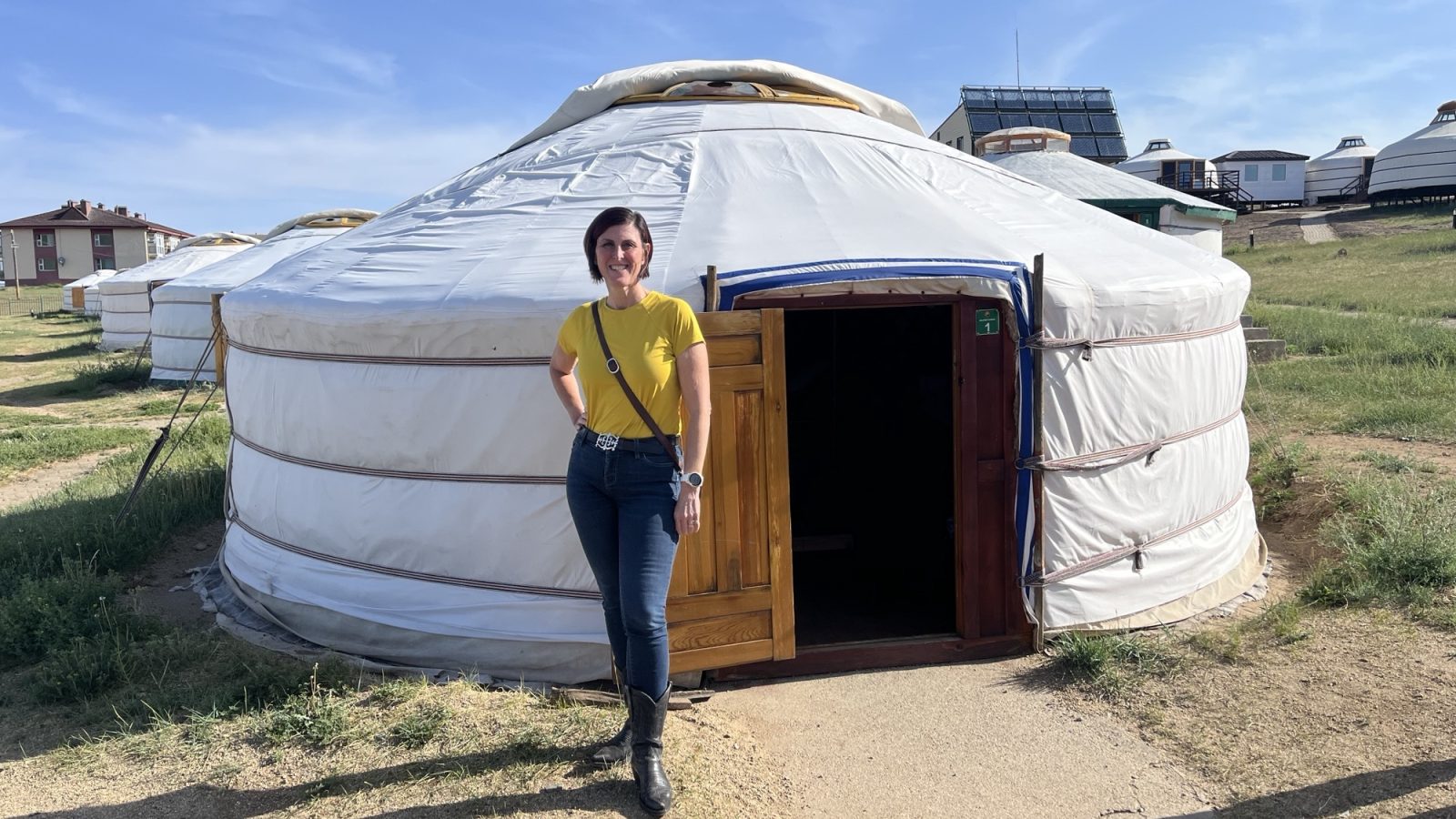
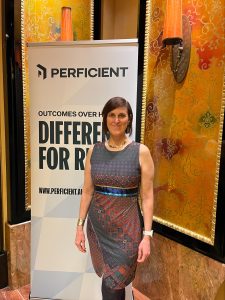
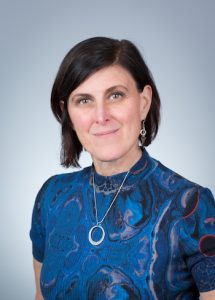 Our first profile features Tauni Crefeld, Head of Customer Success, who makes an impact through leadership, problem-solving, and a deep commitment to helping people succeed. Whether she’s coaching teams through complex delivery challenges or sparking conversations through storytelling, Tauni brings a thoughtful, people-first approach to everything she does.
In our People of Perficient profile, Tauni shares her approach to leadership, what drives her work, and how her experiences — from the Air Force to consulting — continue to shape her perspective today.
What is your role at Perficient?
At Perficient, my technical title is Head of Customer Success. I focus on helping ensure our complex and fixed-fee projects are successful.
I think about the role in three areas. The first is making sure projects are set up for success by reviewing estimates, solutions, and contracts — I read every fixed-fee percent complete contract before approval to make sure it’s set up correctly. Second is supporting and coaching teams during delivery of fixed-fee and complex projects. The third is helping teams successfully close projects while maintaining strong client relationships.
How have you grown as a leader throughout your career?
 My first job was in the Air Force. I was Air Force Security Police at three different military bases. I came in as a lieutenant and oversaw 40 people, all men, almost all older than me.
So, when you come in as a 21-year-old female, and you’re in charge but don’t know anything yet, you have to listen and find a way to lead. You learn quickly how to get along, build relationships, and lead by influence because despite what you see in movies, you can’t just come in and start giving orders. It will not work.
When you were walking into that room as a 21-year-old, what was your headspace?
It took about a week to even understand things.
I went on a training run with a senior lieutenant. We were out in the missile fields of North Dakota, in the middle of nowhere, going from launch facility to launch facility. He would make radio calls back to base control and show me exactly what to say. Then, he’d have me try it.
When I did, there would just be silence — no response.
He would take the mic back, say the exact same thing, and they would respond to him. After the tour of duty, we went back and asked base command why they hadn’t responded to me. And they said, “There are no female lieutenants here, so we thought it was a prank.”
There were things like that from the beginning. Walking into a room of 40 people is already intimidating, but walking in with that context makes it a little harder. I kept a veneer up for a couple of days trying to maintain this idea of what a “professional leader” should look like. And then I just dropped it. I knew it wouldn’t work.
I started asking questions, listening, and learning: “Tell me what you do. Tell me your role. How does this work?” From there, they adapted to me, and I adapted to them. It was an evolution, but I had to let go of that façade of what I thought leadership should look like.
How did your approach to leadership translate from the military into consulting?
 After my military career, I spent almost 25 years at another consulting company. I started in an entry-level analyst role and worked my way up to managing director by taking on bigger and bigger projects.
I focused more on delivery than sales and made myself valuable through delivery and fixing messy teams. I didn’t go around doing traditional “selling,” but I sold through strong delivery. And I always say that good delivery can be a great sales tool.
At Perficient, I have a title, but I don’t use it much. Instead, I approach teams by saying, “I’m here to help.” I don’t rely on positional authority. People are open to help and want their projects to succeed.
What motivates you throughout the day?
Two things motivate me. I love coaching people. The people I’ve met here are incredibly smart and receptive to feedback. They’re eager to learn, and I love helping them grow.
The other thing I love is fixing problems. I even have a book called The Fixer. I like going into messy situations, figuring out what’s wrong, and changing the dynamics so teams can deliver well. My goal is always to make things better for everybody involved.
What do you enjoy the most about working with different teams and cultures?
I love working with people around the world. I speak Spanish, and I love connecting with our colleagues in Latin America and using the language whenever I can.
The best thing about meeting so many different people is that everyone brings a different perspective to what we’re doing. When I meet a new team, I don’t ever include my title. I ask questions, listen, and try to understand their situation first. I like learning and listening. You can’t fix a problem if you don’t understand what’s going on.
In your time at Perficient, how have you engaged with the Women in Technology ERG?
 I was invited to speak about my book, Own Your Path, which focuses on driving your career forward. The Women in Technology ERG has also hosted a book club around it, and I’ve attended several sessions with them.
I had all of these stories in my head, so I started writing them down. I figured that a lot of the young women that I’d worked with back at my other company would be the ones who read it.
The whole goal of these stories is to help people, so the stories are very solution-oriented — the same way I try to fix projects: Find all the commonalities and structural problems and then find ways to overcome them. So, it’s amazing to see people read it and take some of those learnings to heart. That makes me so happy because that’s the whole point of the book.
How can we elevate women working in technology?
 One thing I appreciate about WiT is that it’s not exclusive to women. I have seen men participate in those meetings, and that’s important. The only way women can be elevated is if we get everyone in the conversation.
I made it to the level that I did because I had good sponsors and supporters, all of whom happened to be male. I did have good women mentors, but it was the men who were able to push me forward because they have more positional authority. Right now, in the world we live in, it’s the men who are still in those top positions.
We need to get the men in the conversation. Women can’t solve this on their own because a lot of the challenges are structural.
What advice do you have for women working in tech?
Women listen a lot, and we’re very good at it. But many of us are not good at advocating for ourselves.
If there’s a skill that you want to learn or a position you want to grow into, then tell people. Tell people what you want. Otherwise, they may guide you in a different direction.
You have to decide what’s right for you and push ahead. They don’t know what you want. Only you do.
It’s no secret that our success is because of our people. Across teams, technologies, and time zones, our colleagues collaborate to build AI-first solutions that hold up in the real world and deliver outcomes that matter. We’re always looking for unfiltered, unconventional, and unshakable problem-solvers who turn bold thinking into results. Join us and be part of a culture defined by curiosity, ownership, and impact.
Visit our Careers page to explore open roles and learn more about what it’s like to work at Perficient. Join our talent community for career tips, job openings, company updates, and more!
Go inside Life at Perficient and connect with us on LinkedIn, YouTube, X, Facebook, and Instagram.