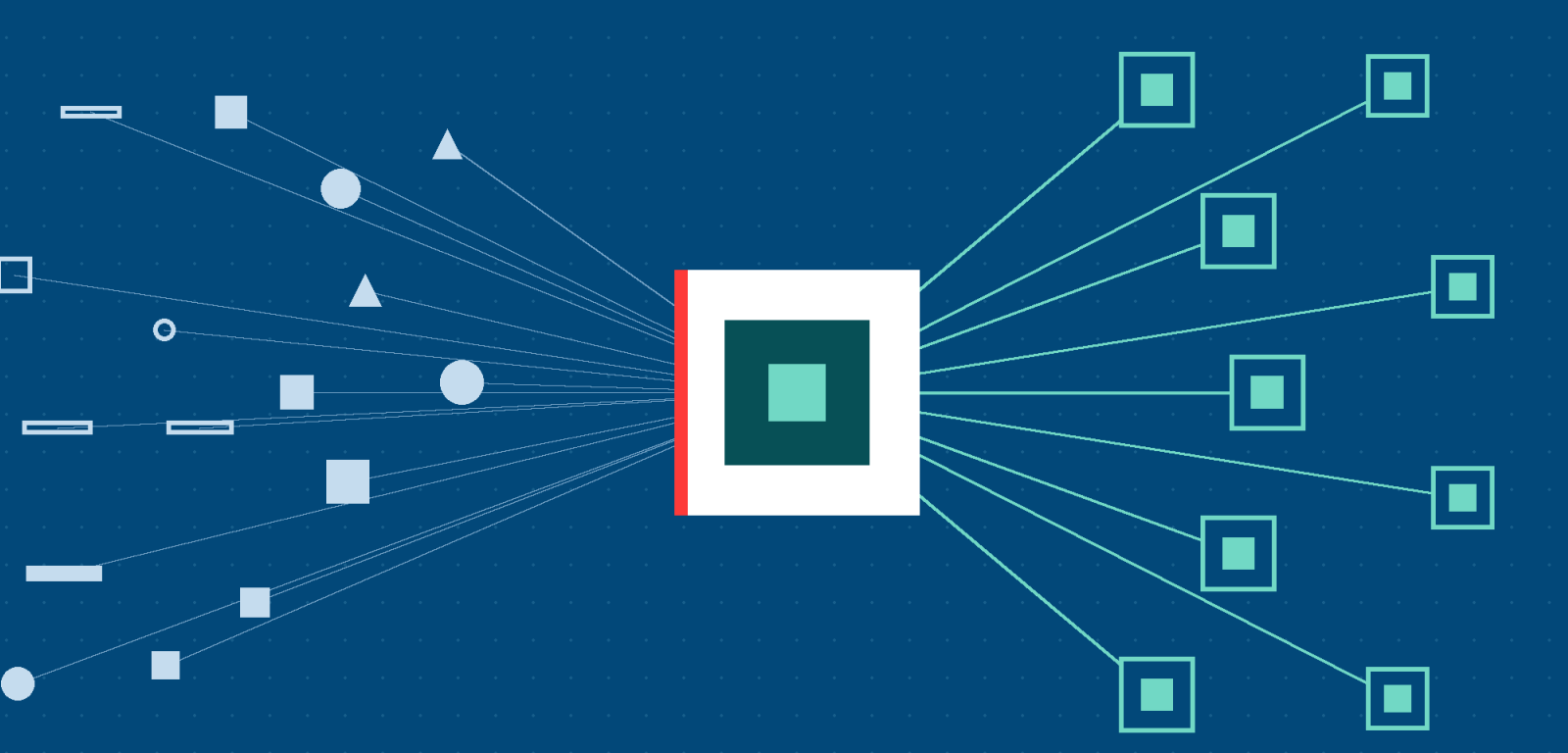
Organizations invest heavily in business intelligence modernization initiatives to improve agility, strengthen governance, and unlock greater value from data. Yet many BI migration projects ultimately fall short of those goals because they focus on moving reports from one platform to another rather than addressing the underlying complexity that exists across the analytics ecosystem.
Migrating dashboards, reports, and calculations may satisfy a short-term platform requirement, but it rarely solves the challenges that create long-term friction: inconsistent metrics, fragmented business definitions, limited data lineage, and duplicated logic across tools.
True modernization requires a different approach. Instead of treating migration as a conversion exercise, organizations should view it as an opportunity to establish a common semantic foundation that supports analytics, governance, and AI innovation across the enterprise.
The Challenge: Migration Doesn’t Eliminate Fragmentation
Many organizations operate multiple BI platforms that have evolved over years of growth, acquisitions, and technology changes. Business logic often becomes embedded within reports, dashboards, and calculations across numerous systems.
As a result, organizations frequently encounter challenges such as:
- Multiple definitions of the same KPI
- Inconsistent calculations across reporting environments
- Limited visibility into data lineage
- Difficulty adopting new analytics platforms
- Increased risk during modernization initiatives
Simply moving content from one BI tool to another transfers much of this complexity to a new environment.
Without addressing the underlying semantic layer, fragmentation persists and organizations may find themselves repeating the same migration effort during the next technology transition.
A Better Approach: Build a Common Semantic Model
A more sustainable modernization strategy starts with creating a platform-agnostic semantic model that captures the structure, business logic, and relationships that underpin reporting assets.
Rather than focusing solely on report conversion, this approach extracts and standardizes critical metadata, including:
- Data tables and relationships
- Business logic and metric definitions
- Calculated columns and measures
- Business terminology
- Field-level lineage from source to report
By consolidating these elements into a common semantic foundation, organizations create a reusable asset that can support multiple analytics platforms over time.
Supporting Today’s Platforms and Tomorrow’s Strategy
Modern analytics ecosystems increasingly rely on cloud data platforms such as Snowflake, Databricks, Microsoft Fabric, AWS Redshift, and Google BigQuery to drive innovation and scale.
However, technology platforms alone do not solve data consistency challenges.
Successful analytics programs depend on trusted business definitions, governed metrics, and traceable lineage. Without these elements, organizations risk recreating the same reporting inconsistencies that existed before modernization.
A common semantic model helps address this challenge by providing:
- Standardized business definitions
- Consistent metric calculations
- Reusable governance structures
- Improved data lineage and transparency
- A foundation for future platform adoption
This enables organizations to modernize their analytics environments while maintaining flexibility to support future technology investments.
Migration vs. Modernization
The distinction between migration and modernization is significant.
Migration:
- Moves reports from one platform to another
- Replicates existing calculations and logic
- Often preserves fragmented definitions
- Creates dependency on a specific platform
Modernization:
- Consolidates business definitions into a governed framework
- Standardizes semantic logic across environments
- Maintains lineage and traceability
- Enables flexibility across future platforms and tools
Organizations that focus on modernization gain more than a successful technology transition. They establish a foundation that supports long-term business agility.
Accelerating Modernization Through Intelligent Automation
Modern BI estates can contain thousands of reports, dashboards, and data assets, making manual migration both costly and time-consuming.
To accelerate modernization efforts while maintaining quality, organizations are increasingly combining deterministic automation, AI-assisted conversion, and subject matter expertise.
This blended approach enables teams to:
- Automate rules-based conversion activities
- Address complex business logic with AI-assisted analysis
- Validate edge cases through expert review
- Improve visibility into migration complexity and risk
The result is a more scalable and efficient modernization process that allows organizations to focus resources on strategic outcomes rather than manual conversion tasks.
Building the Foundation for AI-Driven Analytics
One of the most compelling benefits of a common semantic model is its ability to support emerging AI capabilities.
As organizations invest in generative AI, natural language interfaces, and intelligent automation, trusted business context becomes increasingly important.
A governed semantic foundation can help enable:
Natural Language Querying: Business users can ask questions in plain language and receive responses grounded in approved business definitions and metric logic.
Agentic AI Workflows: Intelligent agents can leverage standardized business context to identify anomalies, investigate root causes, and support downstream business processes.
Knowledge-Driven Analytics: Clearly defined entities, relationships, and business concepts establish the foundation for more advanced analytics, governance initiatives, and AI-powered discovery experiences.
Stronger Governance: By centralizing business definitions and lineage, organizations improve transparency, compliance, and confidence in analytics outcomes.
The Strategic Value of Modernization
BI modernization should deliver more than a successful migration project.
It should create a lasting foundation that supports governance, analytics innovation, and future technology adoption.
Organizations that establish a common semantic model gain the ability to standardize business definitions, improve trust in data, accelerate platform adoption, and better prepare for AI-driven initiatives.
The question is no longer whether organizations will modernize their BI environments. The question is whether modernization will simply relocate existing complexity or create a strategic foundation for what’s next.
By treating the semantic model as the destination rather than the migration itself, organizations can modernize once and continue evolving as business and technology needs change. Perficient’s BI Modernization Accelerator is built on this approach, helping organizations establish a scalable semantic foundation while accelerating modernization efforts.
Perficient helps organizations modernize their data and analytics ecosystems with strategies that improve governance, accelerate platform adoption, and prepare businesses for what’s next. Contact our team to explore your BI modernization roadmap.